 By Emma Dylan
Dust monitoring is crucial for maintaining a safe and compliant working environment, especially in industrial settings. This guide explores the importance of dust monitoring, the types of monitoring systems available, and best practices to ensure accurate measurements and compliance with environmental standards.
Understanding the Importance of Dust Monitoring
Dust particles in the air can pose significant health risks to workers and can lead to environmental concerns if not properly managed. In industries such as mining, construction, and manufacturing, where dust generation is a byproduct of processes, monitoring dust levels is not only a regulatory requirement but also a critical component of occupational health and safety.
Types of Dust Monitoring Systems
Various systems and technologies are available to monitor dust levels effectively. The choice of system depends on the industry, the type of dust, and the specific requirements of the site.
Real-Time Dust Monitors
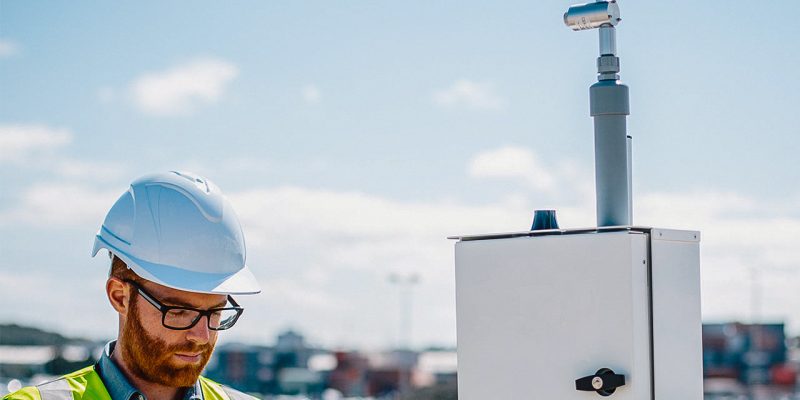
These devices provide instant readings of dust concentrations, allowing for immediate action if levels exceed permissible limits.
Gravimetric Dust Samplers
Gravimetric samplers collect dust on a filter, which is then weighed in a laboratory to determine dust concentration. This method is highly accurate but not suitable for real-time monitoring.
Optical Particle Counters
These devices use light scattering to detect and measure dust particles. They are commonly used for continuous monitoring in industrial environments.
Personal Dust Monitors
These portable devices are worn by workers to measure personal exposure to dust throughout the workday.
Best Practices for Dust Monitoring
Implementing an effective dust monitoring strategy involves more than just installing equipment. Consider these best practices to ensure accurate data and compliance.
Strategic Placement of Monitors
Place dust monitors at key locations around the site, such as near dust-generating activities and at site boundaries.
Regular Calibration and Maintenance
Ensure that all monitoring equipment is regularly calibrated and maintained to provide accurate readings.
Data Management and Analysis
Utilize software tools to collect and analyze dust monitoring data. Regularly review the data to identify trends and areas for improvement.
Employee Training
Train employees on the importance of dust monitoring, how to use monitoring equipment, and what actions to take if dust levels exceed acceptable limits.
Challenges in Dust Monitoring and How to Overcome Them
Dust monitoring comes with its own set of challenges, including environmental factors, equipment malfunctions, and data interpretation. Here’s how to address these issues:
Environmental Factors
Weather conditions, such as wind and humidity, can affect dust levels and monitor readings. It’s important to account for these factors in your monitoring plan.
Equipment Malfunctions
Regularly inspect and maintain your monitoring equipment to prevent malfunctions. Have backup systems in place to ensure continuous monitoring.
Data Interpretation
Interpreting dust monitoring data can be complex. Work with experts or invest in advanced software that can help analyze and make sense of the data.
Future Trends in Dust Monitoring
The field of dust monitoring is evolving with advancements in technology. Some of the emerging trends include:
Integration of IoT in Dust Monitoring
The Internet of Things (IoT) is revolutionizing dust monitoring by enabling real-time data collection and remote monitoring.
AI and Machine Learning for Predictive Monitoring
Artificial intelligence (AI) and machine learning can predict dust level trends, allowing for proactive measures to be taken before dust levels become problematic.
Sustainable Dust Control Solutions
Industries are increasingly adopting sustainable dust control measures that minimize environmental impact while ensuring compliance with regulations.
Can Technology Help Control Fugitive Dust Sources and Silica Dust in Mining?
The mining industry faces significant challenges when it comes to controlling fugitive dust sources and silica dust. These dust types are not only difficult to manage but also pose severe health risks, particularly in relation to lung diseases such as silicosis. Fortunately, advancements in technology are providing new ways to control and mitigate these hazards effectively.
Real-Time Monitoring Systems
Advanced real-time monitoring systems can detect and measure silica dust concentrations in the air. These systems provide immediate feedback, allowing mining operations to take swift action to control dust emissions. The data collected can be integrated with other site management tools to create a comprehensive dust control strategy.
Automated Dust Suppression Systems
Automated systems, such as water spray mechanisms and chemical dust suppressants, can be linked to real-time monitoring data to activate when dust levels exceed a certain threshold. This ensures that dust control measures are applied only when necessary, conserving resources and improving efficiency.
Enclosure and Ventilation Technologies
Enclosures around dust-generating equipment, coupled with advanced ventilation systems, can significantly reduce the amount of fugitive dust released into the atmosphere. These technologies are particularly effective in areas where traditional dust suppression methods are less practical.
Predictive Analytics and AI
Using predictive analytics and artificial intelligence, mining operations can anticipate when and where fugitive dust and silica dust might become a problem. By analyzing historical data and current conditions, these technologies can suggest preemptive measures, such as adjusting water spray schedules or modifying equipment operation, to prevent dust levels from rising.
Wearable Technology for Worker Safety
Personal dust monitors integrated into wearable technology allow workers to monitor their own exposure to silica dust in real-time. Alerts can be set up to notify workers and site managers when exposure reaches dangerous levels, enabling immediate action to protect worker health.
Technology is playing an increasingly vital role in controlling fugitive and silica dust in the mining industry. By leveraging real-time monitoring, automated systems, and predictive analytics, mining operations can effectively manage dust levels, reduce health risks, and ensure compliance with stringent environmental regulations. These technological advancements not only improve safety but also contribute to more sustainable mining practices.