
 By Emma Dylan
A familiar and frustrating rhythm underscores the daily reality for millions of adults living with osteoarthritis. Stiffness greets the osteoarthritis patient first thing in the morning. Later, a dull ache sets in and intensifies with activity. Anti-inflammatory meds mask the pain throughout the day, helping patients get through another 24-hour cycle. And in the worst cases, joint replacement surgery is inevitable.
If you are an osteoarthritis sufferer, there is some good news on the horizon. Breakthrough research being conducted by Stanford Medicine has produced a new injection therapy that does not just reduce pain and inflammation. It actually helps regrow new cartilage!
Freeing the Body to Heal Itself
The groundbreaking study is rooted in a protein known as 15-PGDH. The protein is actually a gerozyme, an enzyme that naturally accumulates with age. It is known to interfere with tissue function and repair.
According to researchers, “cartilage is one of the least regenerative tissues” in the human body. Things are made worse as 15-PGDH accumulates. The enzyme inhibits cartilage repair at the cellular level. So as a person ages and his joints begin to wear out, his body is not able to repair lost and damaged cartilage as quickly. This is further exacerbated by the fact that cartilage does not have a very robust direct blood supply.
To overcome the problem, researchers injected laboratory mice with a molecule that blocks 15-PGDH. The results were surprising, to say the least. The blocking molecule led to a local increase in prostaglandin E2, triggering a change in existing cartilage.
Rather than behaving like old, worn-out cartilage in need of repair, the cells began acting more like their younger counterparts. The cells actively began rebuilding healthy, functional cartilage. Best of all, the same treatment was applied to human cartilage samples to the same effect.
A Form of Regenerative Medicine
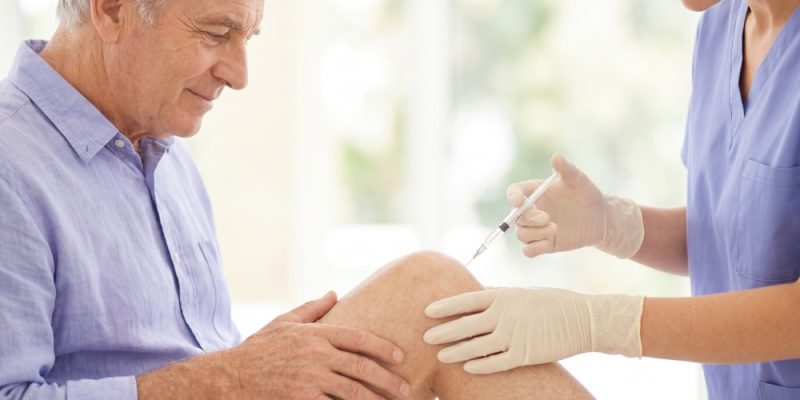
If the Stanford Medicine treatment becomes mainstream, it would be considered a form of regenerative medicine. It is easy to imagine the injections being used alongside platelet-rich plasma (PRP) and stem cell therapies to treat arthritis. PRP injections and stem cell therapy are already being used by pain medicine clinics like Lone Star Pain Medicine in Weatherford, Texas.
Lone Star doctors say that both therapies improve the natural environment of an arthritic joint, allowing the body to better address pain, inflammation, and tissue damage. While neither PRP nor stem cell injections directly regrow cartilage, they do help create an optimal environment in which new cartilage could grow.
Is it possible to combine one of these two therapies with the new blocking molecule that Stanford Medicine researchers have discovered? Time will tell. But if a combination therapy is ever developed, there is a very good possibility it could put an end to major joint replacement surgeries.
The Regenerative Medicine Approach
One of the things that makes regenerative medicine so exciting is its foundational principle: helping the body naturally heal. Traditional Western medicine is more about masking symptoms and introducing structural changes by way of surgery. It’s a very artificial way to treat disease and injury.
In terms of osteoarthritis specifically, masking the pain through OTC and prescription medications has limited value. As the disease progresses, painkillers and anti-inflammatory medications work less effectively. That is why so many patients experiencing Stage 4 osteoarthritis ultimately elect surgery.
Surgery is highly invasive and pretty drastic. And unfortunately, it is not guaranteed to work. There are no guarantees with regenerative medicine either. But if a simple injection therapy is administered every 6-12 months and can eliminate the need for surgery, I am willing to bet a lot of osteoarthritis patients will give it a try.