
 By Emma Dylan
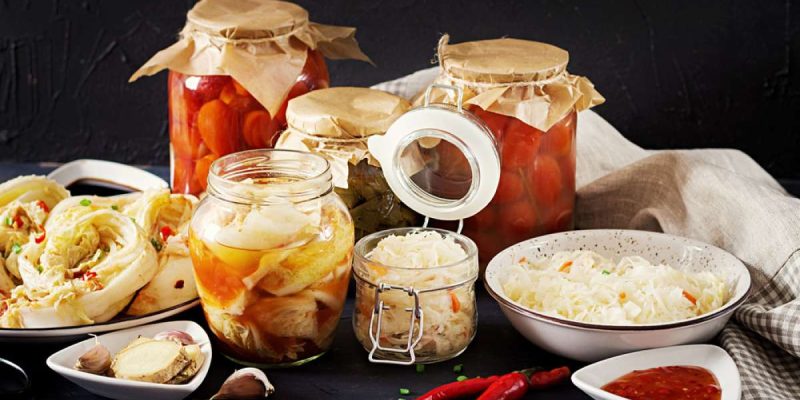
In a food world dominated by molecular gastronomy and futuristic cooking trends, one ancient technique has quietly reemerged as the foundation of modern innovation—fermentation. What was once a method of preserving perishables before refrigeration has now evolved into a sophisticated culinary art form driving new flavors, sustainability efforts, and health-conscious eating. Today, fermentation is no longer about simple pickles or sauerkraut; it’s the backbone of a global movement redefining the future of food.
The Modern Meaning of Fermentation
Fermentation is a natural biochemical process in which microorganisms such as bacteria, yeasts, and molds convert sugars and starches into acids, alcohol, or gases. Traditionally, it was a necessity—a way to extend the shelf life of food. But in contemporary kitchens, fermentation is celebrated as a creative tool for transforming ordinary ingredients into complex, flavorful experiences.
Chefs are rediscovering that fermentation enhances umami, deepens aromas, and adds intriguing textures that cannot be achieved through cooking alone. In essence, fermentation brings life to food—both literally and gastronomically.
Culinary Alchemy: The Flavor Revolution
Flavor Amplification
Modern chefs use fermentation not merely for preservation but for its ability to unlock hidden flavor dimensions. Controlled microbial action can produce nutty, smoky, and tangy notes in vegetables, fruits, grains, and proteins. Imagine fermented garlic honey, koji-aged beef, or black lime miso—each offering depth that transcends the ingredients’ natural limits.
This process enhances texture as well. Fermented grains take on a soft chew; fermented sauces become creamy; even fermented butters develop a subtle tang that elevates everything from bread to seafood.
From Side Dish to Center Stage
Fermented foods are no longer supporting characters. They now take the spotlight in fine dining, street food, and even desserts. Dishes like kombucha-glazed pork, miso caramel ice cream, or fermented chili pastes showcase how these once-humble techniques are creating new culinary identities. The old boundaries of what’s “fermentable” have dissolved—today, nearly any edible ingredient is fair game.
Tradition Meets Technology
Fermentation’s revival owes much to technology. Precision fermentation chambers, humidity controls, and microbial analytics now allow chefs to guide microbial ecosystems like conductors leading an orchestra. Yet, despite the sophistication, the soul of fermentation remains rooted in patience and craft. The balance between science and intuition has created a new breed of culinary artisans who can craft consistent yet deeply personal flavors.
Sustainability Through Fermentation
Upcycling and Waste Reduction
One of fermentation’s most powerful contributions to modern gastronomy is its role in sustainability. By fermenting food waste and imperfect produce, chefs and food manufacturers are turning potential waste into premium products. Coffee pulp becomes tangy kombucha; vegetable stems transform into probiotic pickles; and leftover bread can be fermented into beer or miso paste.
This circular approach not only minimizes waste but also gives birth to entirely new food categories, helping the industry shift toward zero-waste kitchens.
Alternative Proteins and Future Foods
Fermentation has become the backbone of the alternative protein revolution. Biomass fermentation and precision fermentation techniques allow scientists to produce protein-rich foods from microorganisms, fungi, and algae—offering ethical and sustainable substitutes for meat and dairy. Mycelium-based “steaks,” microbe-grown dairy proteins, and fermented nut cheeses are reshaping how we think about food production.
These innovations consume less land and water while generating minimal greenhouse gas emissions. Fermentation, in this sense, represents not just a culinary evolution, but a planetary solution.
Empowering Local Food Systems
Fermentation also strengthens local food security. By fermenting seasonal produce, communities can preserve nutrition and flavor year-round without relying heavily on refrigeration or long-distance transport. This helps small producers thrive, reduces food miles, and fosters regional food identity. Local ferments—such as African ogi, Korean gochujang, or Scandinavian rakfisk—embody the unique microbial “fingerprints” of their environments, celebrating terroir in a new way.
Health and Wellness: The Gut Revolution
The health benefits of fermented foods are well-documented but now extend far beyond probiotics. Fermentation can increase nutrient bioavailability, degrade anti-nutrients, and create new functional compounds beneficial to the gut, brain, and immune system.
Regular consumption of fermented foods like kimchi, kefir, and tempeh has been linked to improved digestion, mood regulation, and even enhanced metabolic function. The “gut-brain axis” has become a central focus of nutrition science, and fermented foods are at its core.
Moreover, the modern consumer’s shift toward functional foods—those offering health benefits beyond basic nutrition—has turned fermented products into wellness powerhouses. Companies are developing customized probiotic beverages, fermented protein shakes, and adaptogenic kombucha blends tailored to individual microbiomes.
The Cultural Revival of Fermentation
Fermentation is as much about heritage as it is about innovation. Across the globe, cultures are rediscovering ancestral fermentation methods passed down through generations. These traditions are being revived and adapted for modern palates—Japanese shoyu, Ethiopian injera, Indian dosa batter, and Mexican tepache are just a few examples being celebrated anew.
This cultural renaissance reconnects us with time-honored wisdom while fueling cross-cultural culinary dialogue. The universal language of microbes bridges continents and generations, showing that food is not merely sustenance but a living story.
The Future: Fermentation as an Art Form
The future of fermentation is both technological and philosophical. As artificial intelligence and biotech enter the food space, new microbial strains are being cultivated to enhance flavor, nutrition, and sustainability. But beyond the lab, fermentation is being reimagined as an art form—a slow, sensory practice of transformation and creativity.
In a fast-paced world driven by instant gratification, fermentation reminds us of the value of time. It teaches patience, respect for nature’s invisible workers, and appreciation for the delicate dance between control and chaos. Every jar of fermenting vegetables or vat of bubbling kombucha is a microcosm of collaboration between human intent and microbial intelligence.
FAQs About Modern Fermentation
1. What makes modern fermentation different from traditional methods?
Modern fermentation integrates technology, controlled environments, and scientific precision to enhance consistency while maintaining traditional flavor development.
2. Can fermentation make non-traditional foods like coffee or chocolate better?
Yes. Controlled fermentation of coffee beans, cocoa, and even grains enhances aroma, flavor complexity, and texture, making products more distinctive.
3. Is fermentation safe to try at home?
With clean equipment and proper guidance, yes. Home fermentation is generally safe, but beginners should start with well-documented recipes and maintain hygiene.
4. How does fermentation reduce food waste?
It transforms excess or imperfect produce into high-value products such as sauces, drinks, or condiments, extending their usability and reducing overall waste.
5. Are fermented foods always probiotic?
Not necessarily. Some fermented foods are pasteurized after production, which kills live bacteria. However, the biochemical changes still add flavor and nutritional benefits.
6. What are the most innovative fermentation trends today?
Precision fermentation for creating alternative proteins, AI-driven microbial selection, and the rise of fermentation-inspired cocktails and desserts.
7. How does fermentation connect culture and sustainability?
It bridges ancient traditions with modern eco-conscious values, promoting local identity while minimizing environmental impact.
Final Thought:
Fermentation is not just a method; it’s a movement. It blends science, sustainability, and soul—reviving ancient practices to solve modern problems. As more chefs, scientists, and consumers embrace this microbial magic, the future of food will not only be more flavorful but more responsible, connected, and alive.